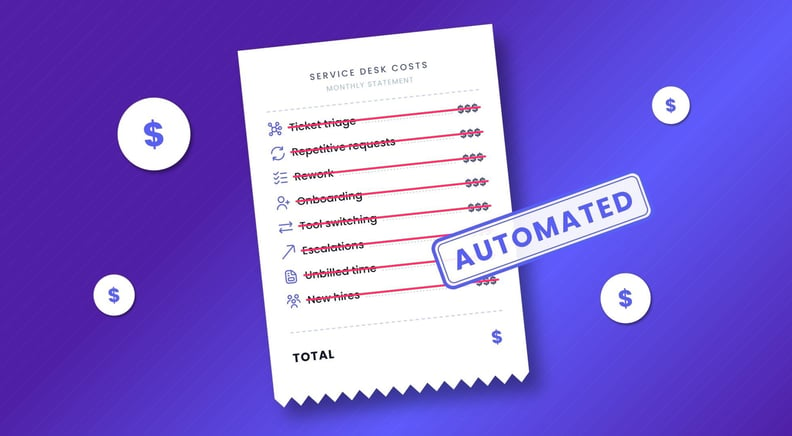

Intelligent automation reduces MSP operating costs by resolving high-volume, repeatable service desk work automatically, inside the PSA. This article covers eight cost drivers it targets: slow ticket triage, repetitive requests, inconsistent service delivery, manual onboarding and offboarding, context switching between tools, unnecessary escalations, billing leakage from manual time logging, and scaling through hiring. It also shows how Pia, the service delivery automation platform for MSPs, addresses each one with AI Triage, 100+ pre-built automations, and native integration with ConnectWise, Autotask, and HaloPSA.
Your service desk runs on human hours, and those hours get expensive fast when half the queue is repetitive work. Ticket triage, password resets, onboarding workflows, and inconsistent handoffs all add up. Intelligent automation for MSPs targets exactly these cost drivers, resolving predictable tickets without adding headcount or burning out your team.
This article breaks down 8 operational cost drivers that drain MSP margins and shows how intelligent automation platforms address each one. If you run a service desk, you'll recognize these costs in your own numbers.
Key takeaways: MSP cost drivers reduced by intelligent automation
- Ticket triage delays drain technician hours that intelligent automation platforms reclaim in under 30 seconds.
- Repetitive routine requests inflate labor spend when they could resolve without any human involvement at all.
- Inconsistent service delivery creates costly rework loops that compound your operational expenses every single month.
- Rarity Solutions cut onboarding ticket resolution time by 89% with Pia, from 75 minutes to under 8.
- Scaling through hiring alone locks MSPs into margin pressure that intelligent automation helps break open fast.
Operational cost drivers MSPs can cut with intelligent automation
1. Slow ticket triage and misrouted requests
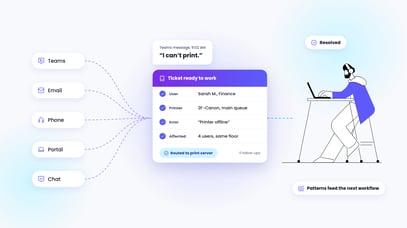
Every minute a ticket spends waiting for classification is a minute your technicians lose somewhere else in the queue. When triage relies on a dispatcher reading each new ticket and manually guessing who should handle it, delays compound across the entire queue and push other pending requests further behind schedule.
AI-driven classification assigns tickets to the right technician or board in under 30 seconds. That reclaimed time adds up fast when you process hundreds of tickets daily. Faster routing also means fewer SLA breaches and less end-of-day firefighting for your senior team members.
2. High volume of repetitive routine requests
Password resets, mailbox changes, DNS flushes, and software reinstalls fill your queue with tasks that need no creative problem solving at all. Each one still costs technician time, training energy, and repeated context switching between different systems, windows, and client environments throughout the day.
Pre-built automations resolve these requests end-to-end, inside your PSA, without a technician touching the ticket or switching tools. That frees your team to focus on escalations and client-facing projects that actually grow your margin per client over the long term.
3. Inconsistent service delivery across technicians
When each technician completes onboardings or access changes their own way, steps get missed and quality varies. Missed steps trigger follow-ups, rework, and repeat contacts from end users that inflate your cost per ticket over time and damage client confidence in your service quality. Most MSP self-service strategies make this problem worse before they make it better.
Standardized workflows enforce the same resolution path every time, regardless of who is on shift or how experienced they are. Rarity Solutions found that Pia's automation eliminated missed steps entirely, delivering consistent results across their whole team without additional oversight or manual review.
4. Manual onboarding and offboarding processes
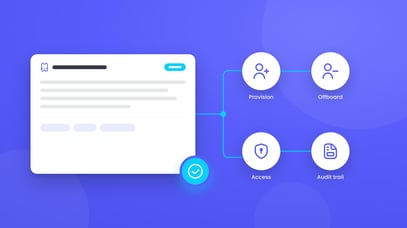
User provisioning and de-provisioning sit among the most time-intensive tickets an MSP handles on any given day of operations. A single onboarding can consume 45 to 75 minutes of hands-on work across multiple systems, from Active Directory to email platforms to internal documentation tools and licensing portals.
Automated onboarding workflows complete those same tasks in under 10 minutes with zero variation between technicians. Rarity Solutions cut their onboarding resolution time from 75 minutes to under 8 after deploying structured automation through Pia's intelligent automation platform.
5. Context switching between disconnected tools
Technicians toggling between your PSA, Active Directory, email consoles, and documentation platforms lose productive minutes on every single ticket they handle. Each switch resets focus and invites errors that create additional follow-up work downstream for the rest of your team.
PSA-native automation keeps all actions and audit trails inside the tool your team already uses daily. No second window, no lost context, no re-entry of data that already exists in the ticket. Pia embeds directly inside your PSA to eliminate that costly toggling between disconnected systems entirely.
6. Escalation overload from undertrained staff
Junior technicians escalate tickets they could resolve themselves if they had the right guardrails and documented steps in place. Each unnecessary escalation adds queue time, senior technician workload, and SLA risk that quietly erodes your margin on the affected clients.
Guided automation equips less experienced team members to resolve routine and moderately complex issues safely by following pre-tested, approved steps with full confidence. The result is fewer escalations, a flatter cost-per-resolution curve, faster development of your junior team members, and more available capacity from your senior technicians. Here's how MSPs are thinking about the division between human technicians and digital workforce.
7. Inaccurate time logging and billing leakage
When time entries depend on technicians remembering to log every action manually after the fact, gaps appear. Those gaps translate into unbilled hours, inaccurate client reporting, and margin erosion you may not notice until quarter-end review reveals the extent of the damage to your bottom line.
Automations that log time against tickets as they execute in real time close the gap between work performed and work billed to the client. Accurate, automated logging protects your margin on every resolved ticket and gives operations leaders clear visibility into cost-per-ticket trends. Operational data is one of the most underused tools MSPs have for improving client retention.
8. Scaling through hiring instead of efficiency
Adding headcount is the default response to growing ticket volumes across most MSPs today. But each new hire brings recruitment costs, months of ramp-up time, and ongoing salary burden well before they fully contribute to your resolution capacity or client satisfaction scores.
Intelligent automation lets you grow your client count without growing headcount at the same pace or proportion. Scaling without losing control of service quality is a different problem than most MSPs expect. MSPs running Pia's platform report managing up to 500 endpoints per technician.
Why intelligent automation is the fastest path to lower MSP costs
Each of these cost drivers shares one root cause: repetitive effort that doesn't require human judgment. When you automate the predictable work, your team operates at higher capacity without burning out or missing SLAs.
The MSPs that have broken this cycle built a service desk where the repeatable work runs itself, and where their team's time is protected for the work that actually requires it.
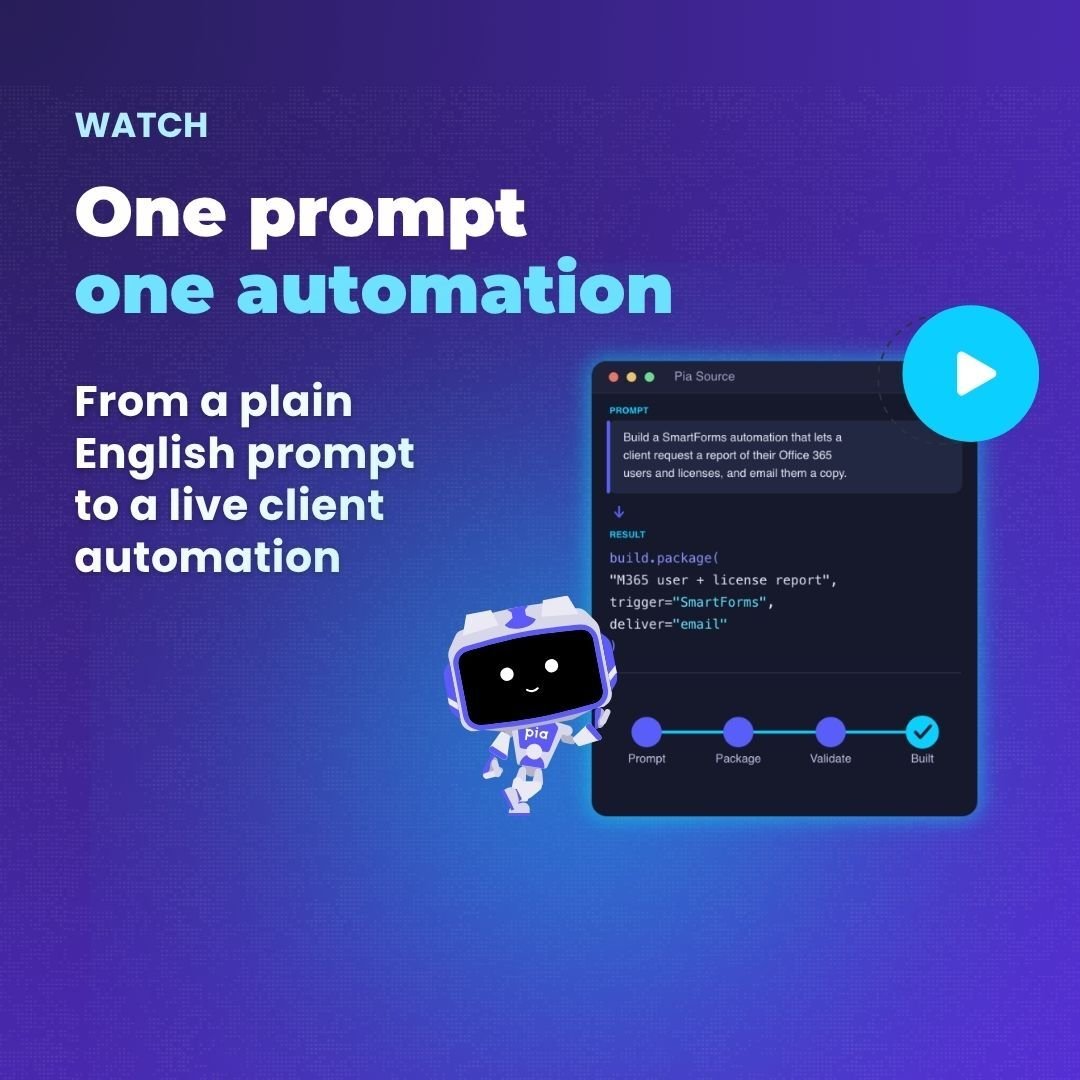
Pia gives MSPs a direct route to that outcome. With 100+ pre-built automations, AI Triage, and native PSA integration, you can start reducing costs from day one and compound those savings as your client base grows.
Ready to see what that looks like mapped to your own numbers? Run the numbers with our ROI calculator, or book a 30-minute discovery call to talk through whether Pia is a fit for your service desk.
FAQs about MSP cost drivers and intelligent automation
What is intelligent automation for MSPs?
Intelligent automation combines AI classification, machine learning, and robotic process automation to resolve service desk tickets without human involvement. Pia applies these capabilities inside your existing PSA so technicians stay focused on complex, higher-value work.
How quickly can an MSP see cost savings from automation?
Many MSPs report measurable savings in the first weeks after deployment. Pia ships with 100+ pre-built automations that go live on day one, so the gap between implementation and real cost impact is short.
Which ticket types deliver the fastest ROI when automated?
Password resets, user onboarding, offboarding, and mailbox changes typically return time savings fastest. These high-volume, repeatable tasks absorb the most technician hours before automation takes over.
Does automation replace technicians at an MSP?
No. Automation handles predictable, repeatable requests so your technicians can focus on escalations, client relationships, and strategic projects. It expands what your existing team can accomplish without adding headcount.
How does Pia integrate with existing PSA tools?
Pia runs natively inside ConnectWise, Autotask, and HaloPSA. All automation actions, audit logs, and ticket updates stay inside the PSA, so your technicians don't need to adopt a separate interface or change how they work.
Can intelligent automation improve SLA performance?
Yes. By resolving automated tickets in minutes instead of hours, you reduce backlog and meet SLA thresholds more consistently. Platform 24, a Pia customer, has consistently met 90%+ of its SLAs since implementing Pia.