
Stop losing margin to slow, manual ticket handling
Most of a ticket's life is waiting, not working
That speed comes from removing the waiting, not from working faster. Here is each wait, and what replaces it.
Waiting for details
It arrived missing the details needed.
→Tickets arrive with the details already captured.
Waiting for an owner
No one has worked out whose desk it is.
→Tickets arrive classified, so triage stops being a daily job.
Waiting on repeat steps
Steps a technician has run a hundred times.
→Predictable requests complete before a technician opens them.
Then the actual fix
The one part that needed a person at all.
→Your team's time goes to the part that needed a person.
Remove the waiting. Keep the judgment.
Already running at scale
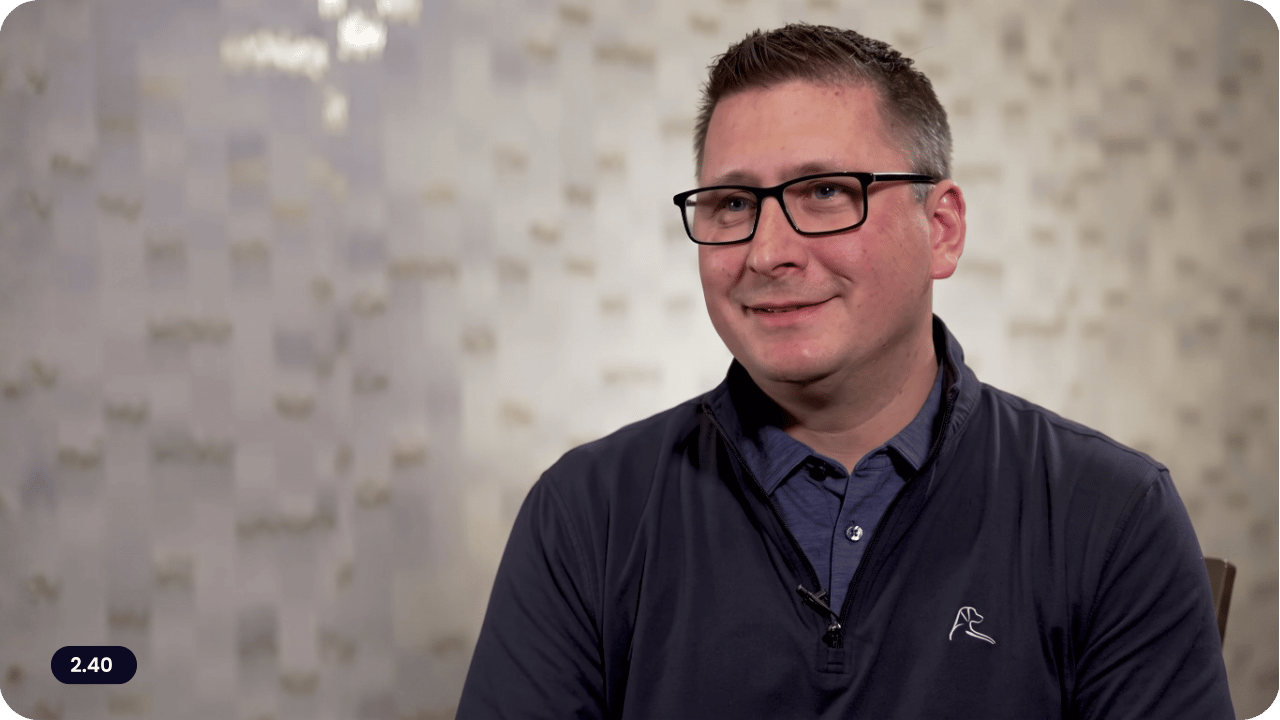
We're now solving 15 to 20% of our tickets a month without having to really touch them.
Jon Fitzryk VP of Managed Services and Operations, Diamond IT · Americas
- Onboarding misses used to mean
- Tickets coming back open
- Automation they had to customize
- The last 10 to 15%
Questions we get.
Answers that hold up.
On triage, adoption, and what it means for your margins.
Pia's proprietary machine learning model classifies and stamps incoming tickets the moment they land, matching them to the right pre-built automation. There are no manual triage rules to configure before you go live, though you can build custom logic where you need it.
High-volume, predictable requests: password resets, account unlocks, license changes, and similar tasks. If your team resolves a ticket the same way every time, it's a strong candidate for full automation. Everything else stays with your technicians, who work with complete context from the start.
No. Pia runs natively inside ConnectWise, Autotask, and HaloPSA, classifying and resolving tickets where they already land. There's no new tool for technicians to learn and nothing to migrate.
They route to the right technician with the ticket context already gathered, so nobody starts from zero. Pia handles the repeatable mechanics, your team handles the judgment calls.
See how fast your queue could move
Book a call with our team and find out which tickets you could stop handling manually.