

A new tech joined your MSP six weeks ago. You trained them, walked them through your SOPs, and reviewed the onboarding process. Twice.
Then a client calls to ask why their new hire still can't connect to the VPN or access the company file shares. Looks like that new tech needs a third walkthrough. They had followed most of your SOP but missed a few client-specific permissions and access rules.
And you didn't realize there was a problem until the client was on the line.
That's the thing about inconsistency in a service desk. It creeps. One missed step leads to another; clients lose confidence, and eventually they start looking elsewhere.
Scaling wasn't supposed to be this hard
When you first started your service desk, everything was so exciting. You'd win a new client, hire new techs, rinse, repeat.
But it didn't take long for you to realize that every new client comes with their unique quirks and expectations. And every new tech has their own way of working a ticket.
Eventually, excitement gives way to overwhelm.
Whenever there's a fire, which is pretty often, you and your top technicians are the ones who have to stop what you're doing to put it out. Answering repeated questions. Approving workflows.
And getting pulled into situations that ideally should be handled without you.
You built a business and a team, but you never quite escaped the day-to-day. And that dependency becomes more obvious as you grow.
How standardization leads to scalability
If it's any consolation, you're not alone. When scaling their service desk, most MSPs' instinct is to solve any problems with more headcount. But throwing bodies at an inconsistent service model just creates more chaos.
It might seem counterintuitive, but when the service desk starts pulling you in every direction, the answer is focusing on the issues that created the problem in the first place.
That means figuring out why the issue keeps happening, documenting the right way to handle similar requests, and making sure every tech follows the same process every time.
It takes some discipline upfront. But when you consider that the average ticket takes more than an hour to close and only half of all tickets are resolved correctly the first time, it becomes obvious that building a more consistent operation is the fastest way to scale.
What a consistent service desk actually makes possible
Some MSPs worry that standardizing their processes will hurt their client experience. And we get it. Every environment is unique and often complex. There's a concern that your workflows will be too rigid to accommodate a client's unique situations or needs.
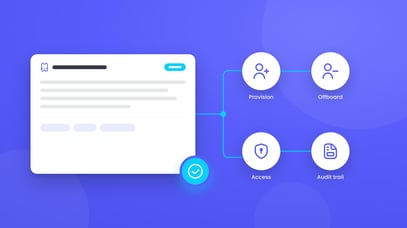
When routine work follows a documented, automated path, your senior techs don't get pulled into rerouting tickets like password resets, user provisioning, and deprovisioning requests. That frees them up to provide the personalized service for more complex tickets.
Then there are the everyday benefits. New techs ramp up faster, errors drop, and you're no longer dealing with frustrated client calls.
Our partner Intalex, a UK-based MSP, cut onboarding time from 2 hours to under 10 minutes after standardizing their processes.
"We had a client where a typical onboarding took around two hours, and we got it to sub 10 minutes for everything apart from issuing a workstation. The bigger the client, the more turnover of staff, so that benefit keeps multiplying every month," said David James, Senior Cloud Operations Engineer at Intalex.
This is what scaling actually looks like
I've spent enough time around MSPs to know that standardization isn't about taking the humanity out of service delivery. It's about giving your best people room to actually use their judgment, rather than spending it on things a system should handle.
That's what Pia is built to do. It runs the repeatable work the same way every time, password resets, onboarding, and the access requests that eat your day, so the process lives in the platform instead of in your most senior technician's head.
If you want to see what that looks like for your service desk, schedule a call with our team.